
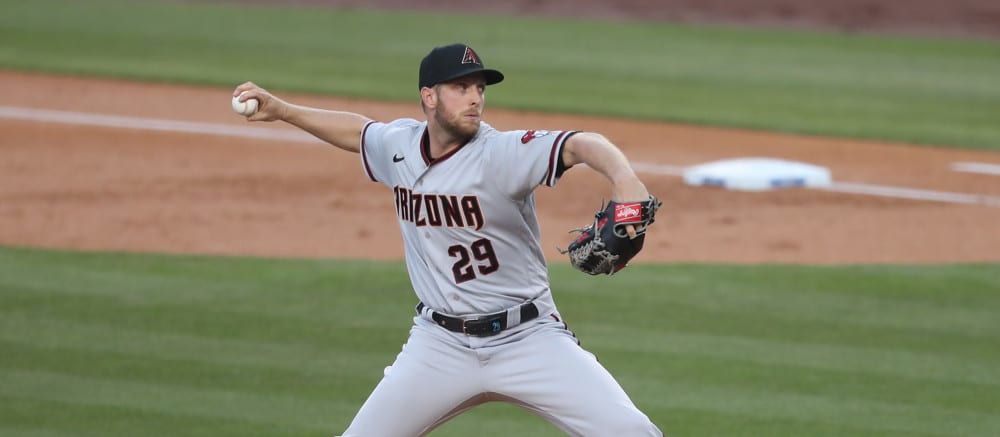
Fantasy Baseball Injury Report: Kelly's Recovery Window Uncertain
Jeff Stotts writes about the week's most notable MLB injuries, including Merrill Kelly, who is undergoing testing to determine the severity of his shoulder strain.
Featured
Recent
Fantasy
DFS
Betting

NL FAAB Factor: Waiver Pickups of the Week
Jan Levine discusses some players you should have on your rosters.

AL FAAB Factor: Waiver Pickups of the Week
Erik Siegrist digs into the American League talent pool and thinks the Guardians' Tyler Freeman could be on the cusp of a breakout.

Weekly Pitcher Rankings: Five Times a Charm
Tarik Skubal is on tap for a two-start week, as he's one of the top-ranked starters in Todd Zola's Weekly Pitcher Rankings.

Week 4 FAAB Results - Some Hitters Emerge
Jeff Erickson purged Jose Abreu from his roster this week - who did he get to replace him?
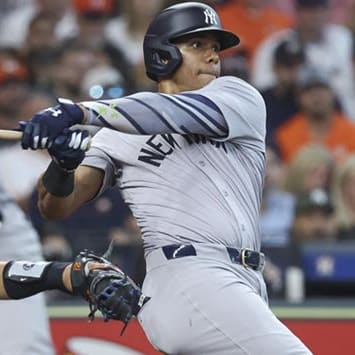
Weekly Hitter Rankings: Throwing Shade
Juan Soto is one of the hottest hitters in baseball, and his New York Yankees are one of the teams playing a full seven games, as Todd Zola digs in with his Weekly Hitter Ranking for April 21-27.

NFL Draft Decisions: Navigating Make-or-Break Moments
Jim Coventry examines the quarterback trends from past NFL Drafts -- including five times teams hit the jackpot in taking their QB of the future.

Browse All Fantasy Articles
Check out our full list of fantasy articles now.
















Top News

Rafael DeversMLB
Should start Wednesday

Zion WilliamsonNBA
Hopeful to return in postseason

Thatcher DemkoNHL
Out Tuesday, considered day-to-day

Tim HardawayNBA
Out for remainder of game

Nolan JonesMLB
Exits with back stiffness
Daniel GaffordNBA
Checks back into game

Cody BellingerMLB
X-rays negative

Lane ThomasMLB
Getting MRI on knee

Khris MiddletonNBA
Briefly exits Tuesday

Kawhi LeonardNBA
Good to go for Game 2

DJ LeMahieuMLB
Exits rehab game early
Giannis AntetokounmpoNBA
Puts up shots Tuesday
Fantasy Football


Fantasy Baseball
Fantasy Basketball
Fantasy Hockey


Fantasy Soccer


Fantasy Golf
College Football




Mixed Martial Arts
Fantasy NASCAR
Canadian Football



WNBA


EuroLeague





 NFL Draft Date Scheduler
 MLB Commissioner
 Tickets


New users can get up to $1,500 in bonus bets when they use BetMGM bonus code ROTOBONUS to wager on Tuesday night NBA playoff odds & NHL best bets.

New users can unlock up to $1,000 in total bonus bets when they use Caesars Sportsbook promo code ROTO1000 to wager on Tuesday NBA playoff odds.

Get up to $1,000 in bonus bets when you use Caesars Sportsbook PA promo code ROTO1000 to wager on Tuesday NBA odds & Phillies-Reds odds.
Check out the latest betting promos
→
